


If you’ve ever thought, “I’m doing the same things I always have… so why isn’t it working anymore?” — you’re definitely not imagining it.
For many women, fat loss starts to feel noticeably harder in their 40s and 50s. The habits that once gave quick results suddenly seem less effective, and it can feel frustrating, confusing, and sometimes a little unfair. But there’s a very real reason behind it — and understanding what’s happening in your body is the first step to working with it instead of against it.
One of the biggest players here is hormonal change. As you move through menopause, oestrogen levels begin to decline. This shift doesn’t just affect how you feel — it also influences where your body stores fat. Many women notice an increase in abdominal fat, even if their overall weight hasn’t changed dramatically. It’s not about lack of effort — it’s biology doing its thing.
At the same time, muscle mass naturally starts to decrease with age. This process (known as age-related muscle loss) can happen gradually unless you actively work to maintain it. And here’s why that matters: muscle is metabolically active, meaning it burns more energy than fat, even at rest. So, when muscle mass drops, your metabolism can slow slightly too — not drastically, but enough to notice over time.
Then there’s sleep — the underrated fat loss factor. Midlife often brings changes in sleep quality, whether it’s trouble falling asleep, waking during the night, or just not feeling well-rested. Poor sleep can disrupt hunger hormones, increase cravings (especially for sugary, high-energy foods), and leave you feeling too drained to stay consistent with exercise and daily movement.
So yes, things are different now. But here’s the empowering part: fat loss is still absolutely achievable.
It just requires a smarter, more supportive approach.
The Right Approch for Fat Loss
Instead of chasing extreme diets or punishing cardio sessions, the focus should shift to building a strong, sustainable foundation:
• Strength training becomes non-negotiable. It helps preserve (and even build) muscle, supports metabolism, and shapes your body in a way that endless cardio simply can’t.
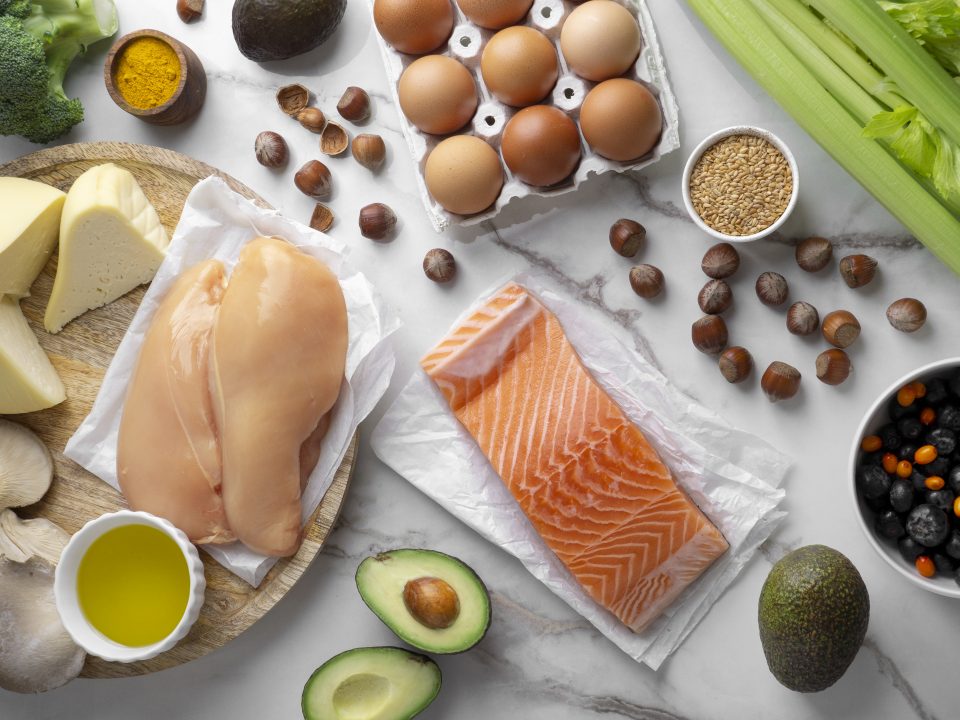
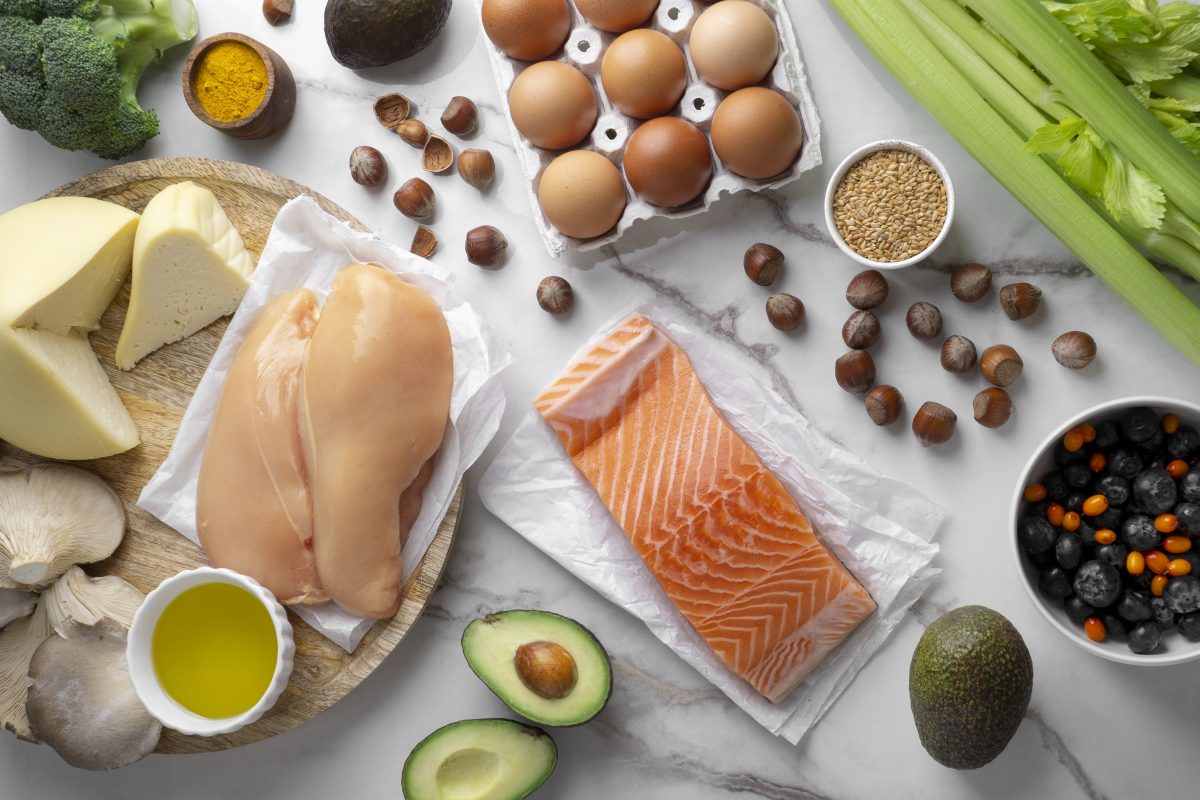
• Protein intake matters more than ever. Getting enough protein supports muscle maintenance, keeps you fuller for longer, and helps stabilise energy levels throughout the day.
•Daily movement — like walking — plays a bigger role than most people think. It’s gentle on the body, easy to stay consistent with, and incredibly effective for overall health and fat loss.
The goal isn’t to work harder — it’s to work smarter.
Your body isn’t broken. It’s just changing. And when you adjust your approach to match those changes, you’ll not only see progress again — you’ll likely feel stronger, more energised, and more in control than ever before.
And honestly? That’s a much better place to be.