

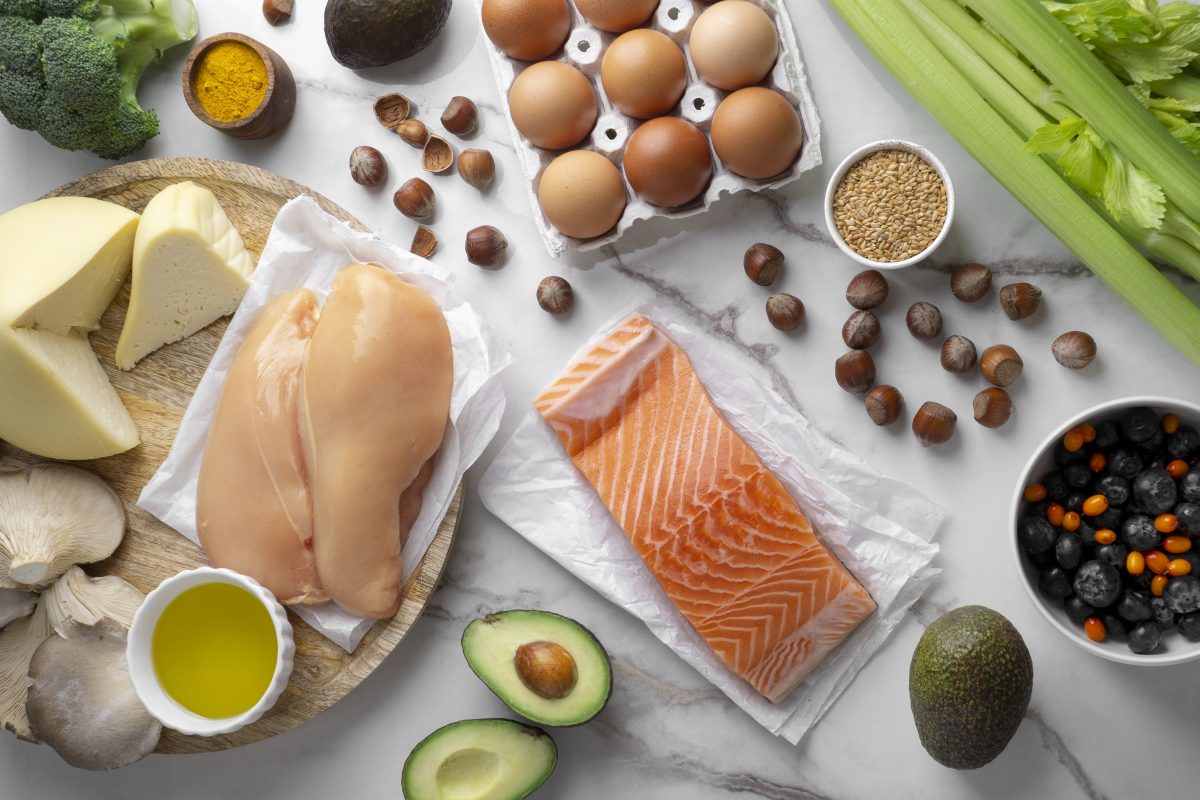
Protein is one of the most important nutrients for maintaining muscle, supporting metabolism, and helping us feel full between meals.
Protein plays a key role in keeping our bodies strong, energised, and functioning well—especially as we get older or lead active lifestyles. It supports muscle maintenance, helps regulate metabolism, and keeps us feeling fuller for longer, which can make a big difference when managing weight or avoiding constant snacking.
The interesting thing is, many people believe they’re eating enough protein… until they actually track it. When they do, it often turns out they’re falling quite a bit short.
For most active adults, aiming for around 80–100 grams of protein per day is a practical and effective target. The good news? You don’t need complicated recipes, expensive supplements, or perfectly planned meals to hit that goal. With a bit of awareness, it can be achieved easily through simple, everyday foods.
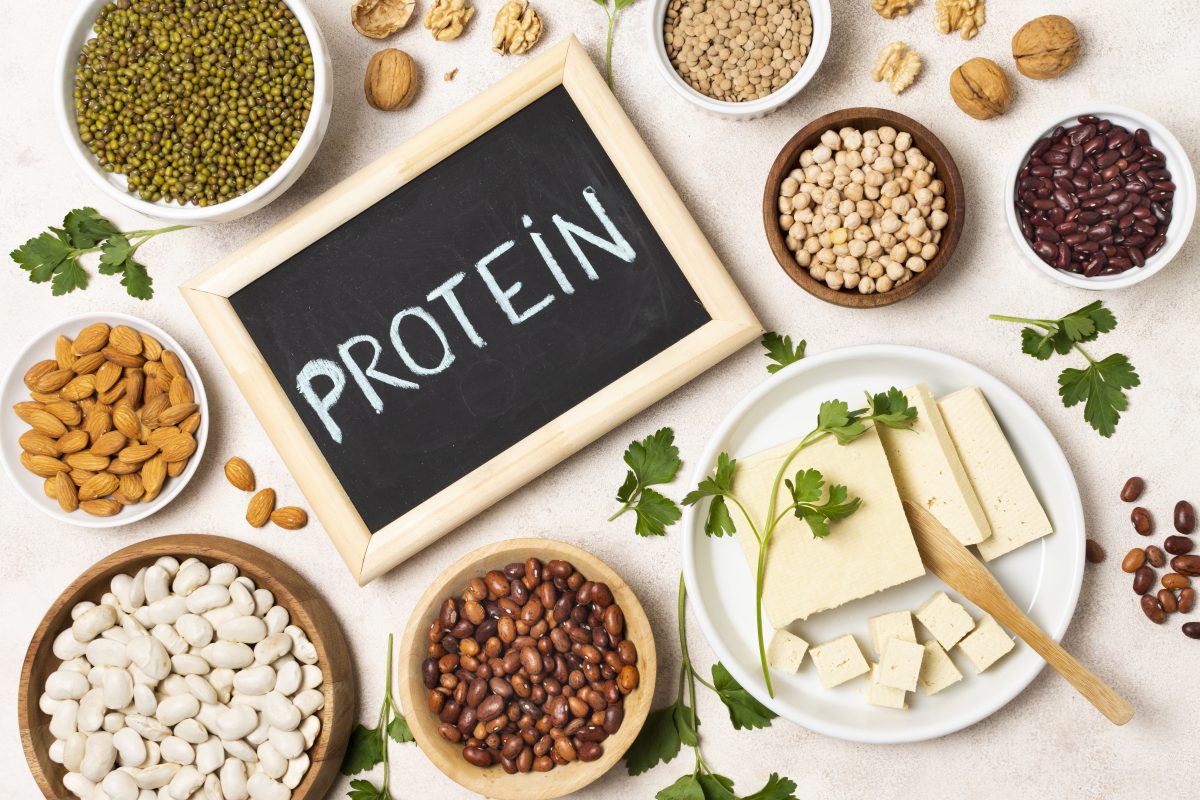
100g Protein in a Day
Let’s break it down into what a typical day might look like.
Breakfast
Starting your day with protein sets the tone. Instead of a carb-heavy breakfast that leaves you hungry an hour later, adding protein helps stabilise blood sugar and energy levels.
A bowl of Greek yogurt topped with fruit and a small handful of nuts is a great option, providing roughly 20 grams of protein. It’s quick, satisfying, and requires no cooking—ideal for busy mornings.
Lunch
Lunch is a great opportunity to build in another solid portion of protein.
Something as simple as eggs on wholegrain toast, paired with vegetables or a fresh salad, can provide around 25 grams. Eggs are not only high in protein but also packed with nutrients that support overall health, making them a reliable go-to.
Snack
Many people overlook snacks as a chance to add protein, but this is where it can really help bridge the gap.
A protein shake is convenient, especially if you’re on the go, but it’s not essential. You could just as easily choose a portion of cottage cheese or even some yogurt again. Either option can give you around 15–20 grams, helping keep hunger at bay between meals.
Dinner
Dinner is typically the largest meal of the day, and it’s often where protein intake is highest.
A serving of grilled chicken, fish, or lean meat alongside vegetables and a carbohydrate source like potatoes or rice can easily provide 30–35 grams of protein. This not only supports recovery and muscle repair but also helps you feel properly satisfied in the evening.
Why spreading protein matters
One of the most important things to understand is that it’s not just about hitting a daily total—it’s how you distribute it. Eating small amounts throughout the day is far more effective than consuming most of it in one meal.
By spreading your protein intake across breakfast, lunch, snacks, and dinner, you support muscle maintenance, maintain steady energy levels, and reduce the likelihood of cravings or overeating later in the day.
The takeaway?
Balanced nutrition doesn’t have to be complicated or restrictive. In fact, the simplest approach is often the most sustainable. Focus on including a source of protein in each meal, keep your food choices practical, and you’ll likely find you’re much closer to your goals than you think!
I also provide straightforward nutrition guidance, helping clients prioritise protein and balanced meals to support training, recovery, and long-term health.
If you’re ready to feel stronger, healthier, and more confident in your body, working with a qualified coach can make all the difference. Personal training provides structure, accountability, and support tailored to your goals. If you’re based in Cyprus, get in touch with Viki to start building sustainable fitness results today.